
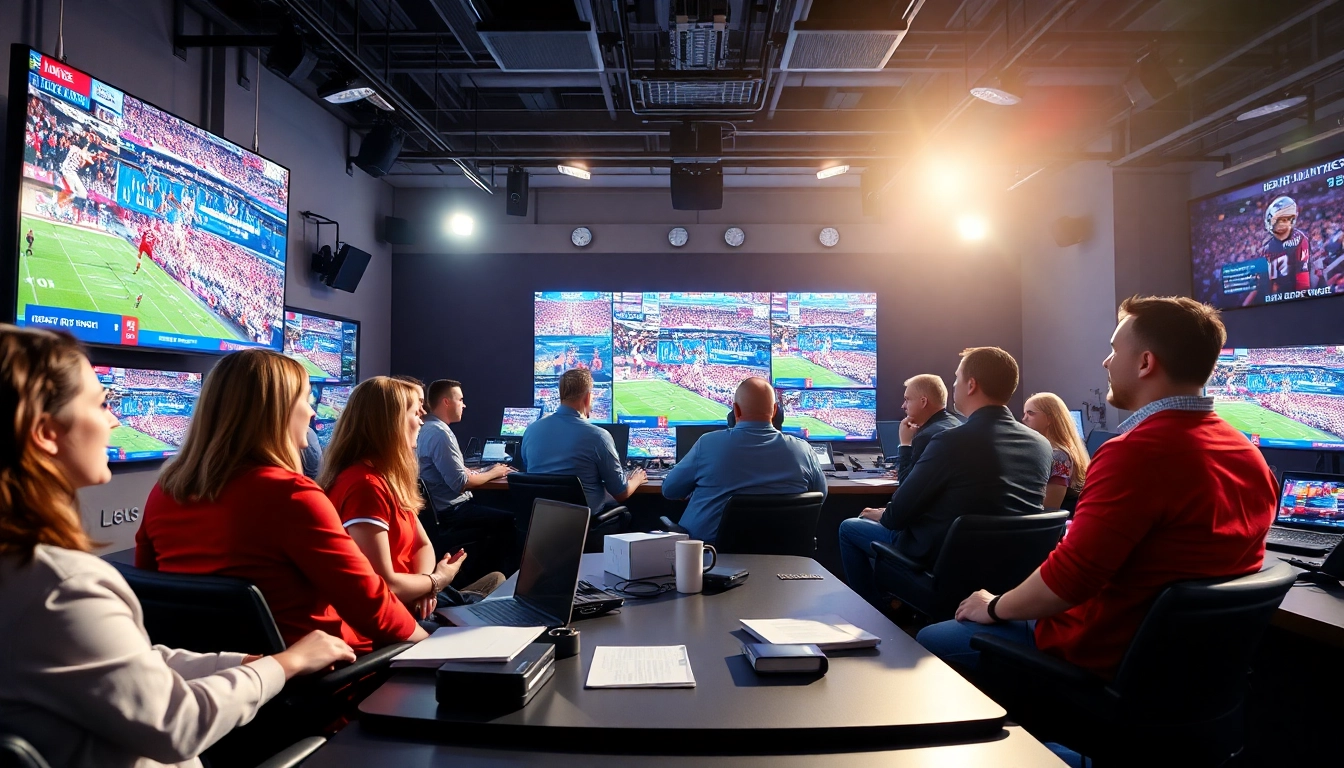
Understanding the Landscape of Sports Broadcasting
In the fast-paced world of Sports Broadcasting, understanding its evolution is crucial for both content creators and audiences alike. As technology evolves, so does the way sports are presented and consumed. The landscape of sports broadcasting encompasses various elements—from the integration of cutting-edge technology to the strategic engagement of viewers. This article delves into the multifaceted world of sports broadcasting, exploring its historical context, key technological advancements, and the analytics that shape viewership experiences.
The Evolution of Sports Broadcasting
Sports broadcasting began as a simple audio broadcast back in the early 20th century, where radio served as the primary medium for delivering real-time updates. With the advent of television, sports broadcasting underwent a transformation. The first televised sporting event—a baseball game—premiered in the late 1930s, forever changing the dynamics of sports consumption. From there, the industry saw significant advancements, such as color broadcasting in the 1960s, which made sports more visually appealing.
The 21st century marked a significant turning point. The introduction of digital platforms and mobile applications enabled fans to access sports content anytime and anywhere. Streaming services began to dominate the scene, leading to the rise of on-demand viewing. Additionally, social media allowed sports networks to connect with audiences on a personal level, fostering community and enhancing viewer engagement.
Key Technologies Driving Sports Broadcasting
As technology evolves, so does its impact on sports broadcasting. From the use of high-definition (HD) and ultra-high-definition (UHD) cameras to augmented reality (AR) graphics and virtual reality (VR) experiences, technology continues to enhance how sports content is produced and consumed. High-definition broadcasting has become the standard, contributing to superior picture quality and better viewer experiences.
Besides better visuals, technologies such as 5G cellular networks have revolutionized live broadcasting by reducing latency and enabling smoother streams. Furthermore, advanced analytics tools allow broadcasters to capture data in real-time, enhancing storytelling and providing deeper insights into games. Drone technology is also emerging in the sector, capturing dynamic aerial footage that enriches the viewing experience.
The Role of Viewership Analytics
Viewership analytics is a crucial component of sports broadcasting. In an era where data is king, understanding audience behavior helps broadcasters tailor content to suit viewer preferences. By employing advanced analytics tools, broadcasters can gather insights into when and how viewers consume content, demographic information, and overall engagement levels.
Moreover, these insights inform decisions regarding game scheduling, marketing strategies, and content creation. For instance, broadcasters can analyze viewers' reactions to different segments of a game or highlight reel, thereby refining their producer strategies. Harnessing the power of data in sports broadcasting ensures that networks remain relevant and competitive in an increasingly digital landscape.
Essential Elements of Engaging Sports Broadcasting
Engaging sports broadcasting transcends the mere act of showing a game; it involves creating a captivating narrative that resonates with viewers. Several elements contribute to this level of engagement, including cultural relevance, interactive content, and the integration of social media.
Cultural Relevance in Sports Broadcasting
One of the main pillars of effective sports broadcasting is cultural relevance. Understanding the cultural context of sports events ensures that broadcasters connect with their audience genuinely. Viewers are more likely to engage with content that reflects their values, beliefs, and experiences.
For example, major sporting events like the Super Bowl or the World Cup often serve as platforms to express cultural sentiments through commercials and halftime shows that resonate with a large audience. Additionally, incorporating culturally significant moments into sports narratives enhances viewer empathy and emotional connection, further promoting engagement.
Interactive Content and Audience Engagement
The rise of interactive content has transformed audience engagement within sports broadcasting. Viewers now seek more than passive consumption; they want immersive experiences. Interactive features, such as live polling, quizzes during broadcasts, and augmented reality displays, allow audiences to participate actively.
Moreover, sports networks can leverage gamification to increase engagement. By creating apps that complement live broadcasts with games, fantasy leagues, or predictive features, networks draw viewers into a more engaging experience. Fans who feel involved are more likely to return for future broadcasts, enhancing loyalty and viewer retention.
Integrating Social Media with Sports Broadcasting
In today's digital age, the integration of social media with sports broadcasting is non-negotiable. Social media platforms allow broadcasters to promote content and engage with fans in real-time. They serve as a vital communication channel where audiences can voice their opinions, comment on plays, and share highlights within their networks.
Furthermore, incorporating user-generated content into broadcasts—such as fan tweets, videos, and social media posts—enriches the overall experience. Broadcasters can enhance storytelling by showcasing fan reactions and perspectives, which fosters a sense of community and belonging.
Best Practices for Sports Broadcasting Production
A successful broadcast involves meticulous planning and execution. Best practices in sports broadcasting production include thorough pre-production planning, innovative live production techniques, and effective post-production strategies.
Pre-Production Planning for Sports Broadcasting
The foundation of a successful sports broadcast lies in its pre-production planning. This phase encompasses scripting, logistical arrangements, and technical requirements to ensure a seamless broadcast. Collaborating with the production team is vital to identify the needs of the project and understand the storytelling elements involved.
Additionally, scouting locations, securing permits, and familiarizing the crew with the venue can prevent delays and technical difficulties on the day of the broadcast. A well-prepared production team equips itself with backup plans to accommodate unforeseen challenges, thereby ensuring high-quality output.
Live Production Techniques for Maximum Impact
Live production presents a unique set of challenges. Effective communication among the production team is crucial, ensuring everyone is aware of their roles and responsibilities. The use of multi-camera setups enables dynamic perspectives, while the implementation of instant replays enhances viewer comprehension and excitement during critical moments.
Moreover, integrating real-time statistics and analytics during broadcasts keeps audiences informed and engaged. Choosing the right commentators and engaging hosts can dramatically impact the viewing experience, as they play a vital role in guiding audience emotions and insights throughout the event.
Post-Production Strategies for Audience Retention
Post-production strategies are essential to maximize audience retention. Once a sport event concludes, broadcasters should leverage recorded footage to create highlights and recap segments that appeal to broader audiences. Editing for various platforms, such as social media and streaming services, allows for targeted marketing and boosts reach.
Additionally, soliciting viewer feedback through surveys can provide insights into areas for improvement, as well as identify content that resonated most with audiences. Implementing these insights in future broadcasts sets the stage for continuous growth and improvement, facilitating lasting audience relationships.
Measuring Success in Sports Broadcasting
In order to ensure the effectiveness of a sports broadcasting strategy, measuring success through key performance indicators (KPIs) is crucial. Metrics regarding viewership, audience engagement, and feedback shape the trajectory of content production and broadcasting strategies.
Key Performance Indicators for Sports Broadcasting
KPIs in sports broadcasting include metrics such as viewership numbers, average watch time, and audience growth rates. These indicators provide a clear picture of how well broadcasts are resonating with audiences. By analyzing these metrics over time, broadcasters can better understand their audience's preferences and adjust their content strategies accordingly.
Moreover, monitoring social media engagement—likes, shares, and comments—offers insight into audience sentiment. A combination of quantitative and qualitative data informs the discretionary choices made during production and marketing, enhancing the overall value of broadcasts.
Audience Feedback and Viewer Insights
Audience feedback is invaluable in the world of sports broadcasting. Engaging with viewers directly through polls or surveys following broadcasts helps broadcasters gauge what resonated with audiences. Such feedback can highlight strengths, weaknesses, and opportunities for growth.
Furthermore, conducting focus groups with dedicated fans can yield qualitative insights that quantitative data alone might overlook. Combining audience feedback with performance data creates a comprehensive view of viewer preferences, allowing for refined content strategies moving forward.
Adapting to Performance Metrics
Adapting to performance metrics is necessary for long-term success in sports broadcasting. When trends emerge from the gathered data—such as rising interest in certain sports or demographic shifts—broadcasters must respond proactively. This could mean adjusting content focus, rethinking marketing strategies, or even exploring new platforms for broadcast distribution.
Staying flexible and responsive to viewer habits ensures that sports broadcasters maintain relevance in a constantly evolving landscape. This adaptability cultivates viewer loyalty, leading to consistent engagement and increased audience growth over time.
Future Trends in Sports Broadcasting
As technology continues to evolve, emerging trends promise to further shape the world of sports broadcasting. From the impact of streaming services to the integration of new technologies, the future of sports broadcasting will be dynamic and multifaceted.
The Impact of Streaming Services on Sports Broadcasting
The rise of streaming services has fundamentally changed how fans consume sports. Traditional cable subscriptions are declining as audiences opt for on-demand services that provide greater flexibility. Streaming platforms offer exclusive rights to major sports leagues and events, attracting viewers looking for alternative viewing options.
Moreover, the competition among streaming services has driven content creators to invest more in sports programming. Live sports broadcasts on these platforms are becoming more interactive, incorporating features such as real-time commentary and the option for viewers to choose camera angles. This flexibility enhances viewer engagement and encourages more extensive loyalty.
Emerging Technologies and Their Potential
Emerging technologies such as artificial intelligence (AI) and machine learning hold vast potential in sports broadcasting. AI can analyze vast amounts of data to predict outcomes, personalize viewer experiences, and even automate certain production tasks. Additionally, the integration of machine learning can enhance viewer engagement by promoting targeted content based on user preferences.
Furthermore, innovations in VR and AR allow fans to immerse themselves in a game like never before. Virtual experiences could allow for interactive viewing, where viewers feel like participants rather than mere spectators. These advancements promise to redefine the boundaries of traditional sports broadcasting.
Sustainability in Sports Broadcasting
Sustainability is becoming an increasingly significant focus within sports broadcasting. As awareness of environmental issues grows, audiences are becoming more conscious of the sustainability practices of the companies they support. Broadcasters can embrace sustainability by opting for environmentally friendly production techniques, reducing carbon footprints, and promoting green initiatives within their broadcasts.
Incorporating sustainability narratives into sports stories can also make them more meaningful, allowing viewers to connect on deeper levels. Addressing environmental issues not only reflects a commitment to corporate social responsibility but also resonates with an audience that values ethical engagement.
FAQs
What is Sports Broadcasting?
Sports Broadcasting involves the transmission of live sports events and related content through various media channels including television, radio, and digital platforms. It encompasses commentary, analysis, as well as viewer engagement strategies.
How has technology changed Sports Broadcasting?
Technology has revolutionized Sports Broadcasting by improving visual quality, enabling real-time analytics, and introducing interactive features. Innovations like 5G and streaming have also enhanced viewer accessibility and experience.
What are KPIs in Sports Broadcasting?
Key Performance Indicators (KPIs) in Sports Broadcasting are metrics used to assess the success of broadcasts. They include viewership numbers, engagement rates, and audience feedback, helping broadcasters make informed decisions.
How can social media enhance Sports Broadcasting?
Social media enhances Sports Broadcasting by fostering real-time interaction between fans and broadcasters. It allows for sharing highlights, fan opinions, and promotes engagement, creating a community around sports events.
What future trends are expected in Sports Broadcasting?
Future trends in Sports Broadcasting include an increased focus on streaming services, the use of AI and machine learning, and greater emphasis on sustainability. These trends will redefine viewer experiences and production strategies.