
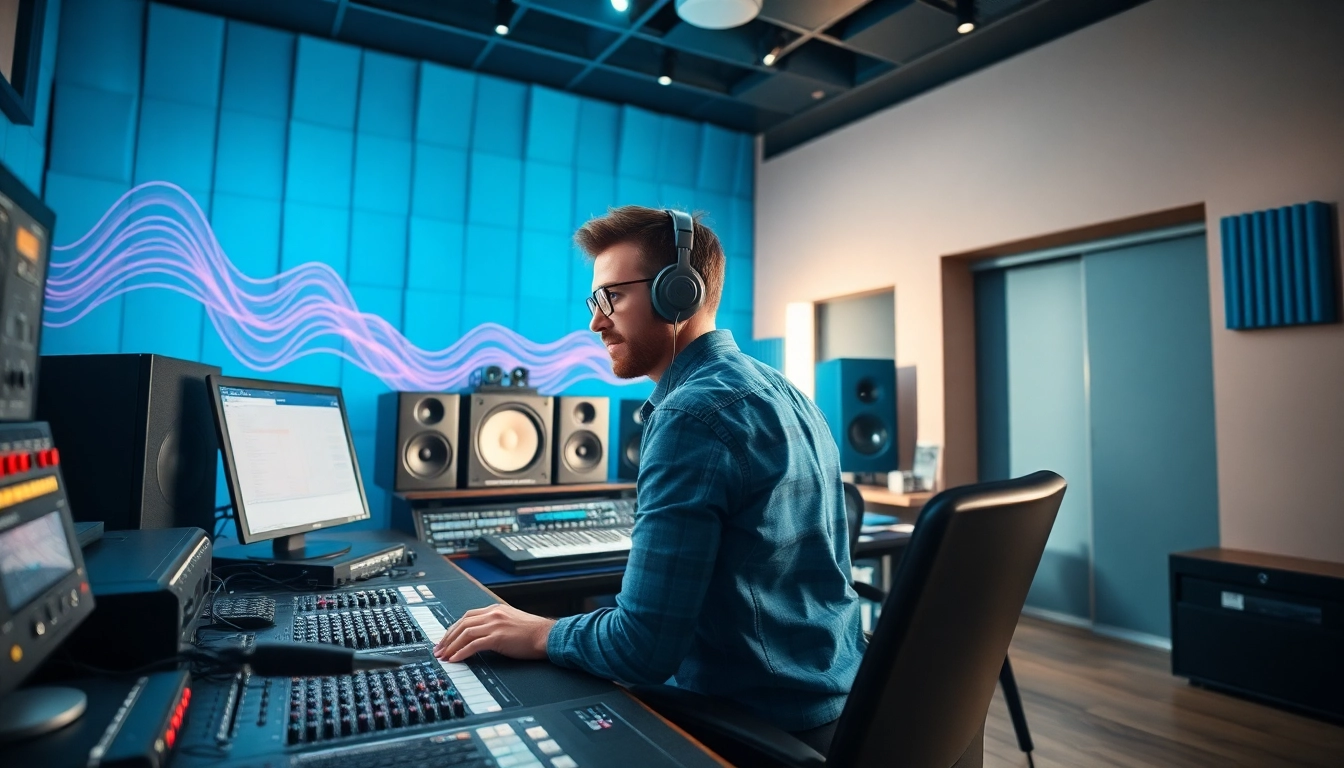
Understanding Online Audio Mastering
What is Online Audio Mastering?
Online audio mastering is the process of preparing and transferring recorded audio from a source to a data storage device, with the intention of preparing it for distribution. Traditionally done in physical studios, advancements in technology have made it possible to perform audio mastering remotely, providing accessibility to musicians and producers who may not have the resources for high-end studio sessions. This approach allows for the convenience of submitting tracks for mastering via the internet, leveraging experienced audio engineers who specialize in polishing and perfecting sound quality. As artists seek optimal sound quality for platforms such as streaming services, the need for professional, online audio mastering has grown significantly.
Benefits of Online Audio Mastering
Online audio mastering presents various benefits that appeal to both independent artists and established musicians alike:
- Cost-Effective: Engaging online mastering services is generally more affordable than booking hours in a brick-and-mortar studio.
- Convenience: Artists can send their tracks from anywhere, allowing for easier collaboration with professional engineers across the globe.
- Access to Expertise: Many online services employ seasoned mastering engineers with a wealth of experience across different genres.
- Fast Turnaround: Online audio mastering often can result in quicker turnaround times, with some services providing same-day options.
Difference Between Mixing and Mastering
Understanding the distinction between mixing and mastering is essential for anyone venturing into music production. While both processes are critical to creating a polished final product, they serve different purposes:
- Mixing: This involves adjusting and combining individual audio tracks. Mixing encompasses altering levels, panning tracks across the stereo field, and adding effects like reverb or compression to create the desired sound.
- Mastering: Mastering is the final step that focuses on enhancing the overall mix, ensuring consistency across the album, and preparing the track for distribution by adjusting equalization, dynamic range, and additional enhancements.
Choosing the Right Online Audio Mastering Service
Evaluating Service Quality
When selecting an online audio mastering service, quality should be paramount. Here are several criteria to assess:
- Samples: Most services provide samples of their work. Listening to mastered tracks can give you insight into their audio quality and stylistic approach.
- Professional Background: Consider the experience of the engineers. Familiarity with various genres might be an indicator of versatility and expertise.
- Technology Utilization: A service utilizing modern software and technology often leads to higher-quality results.
Price vs. Quality Considerations
While price is a significant factor, it should never be the sole determinant when choosing a mastering service. Many cost-effective services produce excellent results, while high-priced services don’t always guarantee the best quality. Evaluating the cost versus quality requires careful consideration of:
- Portfolio Review: Look into the service’s past projects and client feedback to ensure that you are getting a fair value.
- Available Packages: Many services offer various packages catering to different needs and budgets. Choose one that aligns with your track’s requirements.
Customer Reviews and Testimonials
Customer reviews can provide insight into the effectiveness and reliability of an online audio mastering service. Look for genuine testimonials on independent platforms, not just the service’s website. A balanced mix of positive and negative feedback typically gives a more accurate portrayal of what to expect.
Common Challenges in Online Audio Mastering
File Format and Quality Issues
When submitting tracks for online audio mastering, artists may confront challenges related to file formats. Different services may have specific requirements for audio formats (e.g., WAV, AIFF) and sample rates for optimal quality. Adhering to these requirements is crucial to avoid complications, such as delays in delivery or subpar results.
Communication Gaps with Engineers
Without face-to-face interaction, miscommunication can occur substantially when working online. Clearly expressing your expectations, style references, and desired outcomes is vital. Providing detailed notes can help bridge the communication gap and ensure an understanding of your artistic vision.
Understanding Technical Jargon
The audio mastering process involves a considerable amount of technical language that may be daunting for some artists. Familiarizing yourself with basic terminologies, such as equalization, dynamics processing, and stereo imaging, can facilitate better communication with mastering engineers and help achieve your sonic goals.
Best Practices for Successful Online Audio Mastering
Preparing Your Tracks for Mastering
Preparation is crucial for getting the best results from online audio mastering. Here are vital tips:
- Final Mix Checks: Ensure your mix is as polished as possible before submission. This includes making sure levels are balanced, and effects are used effectively.
- Dynamic Range Consideration: Leave some dynamic range for the mastering engineer to work with; avoid heavy limiting or compression on the mix.
Choosing the Right Reference Tracks
Selecting reference tracks that resonate with your desired sound can significantly aid in the mastering process. When you provide reference tracks to your mastering engineer, it helps articulate the sonic qualities and energy levels you aim to replicate, allowing the engineer to have a clearer understanding of your expectations.
Providing Clear Mix Notes
In your submission, include specific mix notes detailing your preferences and concerns. For example, indicating parts of the song that might need enhancement or any elements that didn’t translate well in previous mixes assists the mastering engineer in focusing on what matters most to you.
Measuring Success: Performance Metrics of Online Audio Mastering
Listening Tests and Feedback
After receiving your mastered track, conducting listening tests is crucial. Gather feedback from trusted peers or collaborators to pinpoint areas of improvement or elements that shine. Using analytical tools can also assist in comparing the track’s audio specifications to industry standards.
Streaming Quality and Formats
As the music industry shifts heavily toward streaming platforms, ensuring your mastered audio is optimized for various formats is essential. Understanding the differences in requirements across platforms can determine how well your music translates to listeners on various services.
Sales and Distribution Impact
The quality of the final master can significantly impact your distribution performance. A high-quality master can enhance listener retention, encouraging repeat plays and ultimately boosting sales or streaming revenues. Regularly assessing market performance in response to mastering quality can guide future projects and decisions.
FAQs
1. What is the typical turnaround time for online audio mastering?
Turnaround times can vary based on the service chosen. Many options provide quick deliveries within 24-48 hours, while others may take up to a week, especially if revisions are needed.
2. How much does online audio mastering cost?
Costs can range widely, from about $30 to several hundred dollars depending on the complexity of the project and the reputation of the service selected.
3. Can I get revisions after the mastering is done?
Most online mastering services offer revision options within their packages. It is essential to check the revision policy before submitting your audio for mastering.
4. What file formats are best for mastering?
The preferred formats for online audio mastering are usually uncompressed files such as WAV or AIFF, typically at a minimum of 24-bit depth and 44.1 kHz sample rate.
5. Is online audio mastering suitable for all music genres?
Yes, online audio mastering is suitable for all genres. Various services specialize in different styles, allowing artists from diverse backgrounds to find a fitting engineer for their sound.

